Elon Musk
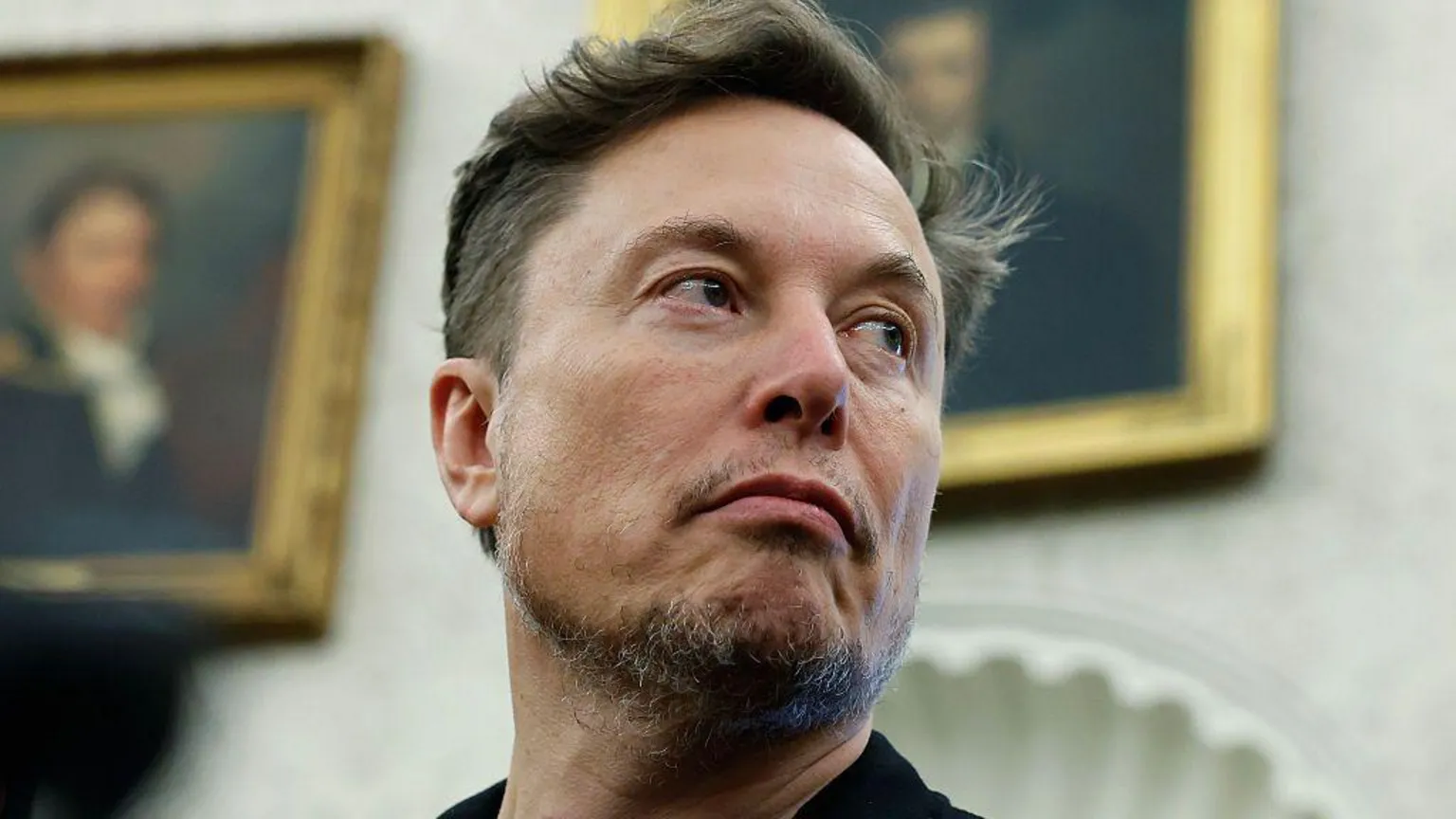
Common ground
What both sides accept, and the questions they actually split on.
Where they agree
- Musk's companies changed their industries: SpaceX's reusable rockets cut launch costs, Starlink built a satellite internet network, and Tesla pushed automakers toward electric vehicles.
- Musk holds unusual influence over companies that matter for infrastructure, communications and public discourse.
- Musk is closely involved with Washington politics, including his 2025 role in the Trump administration and his appearances at policy events.
- Musk settled the lawsuits over his 2024 voter giveaways, and Tesla's promised timelines on self-driving, robotics and similar projects have slipped.
Where they part ways
-
Who deserves credit for the success of Musk's companies?
MainstreamAnalysts credit Musk's companies and his leadership with real engineering and business achievements that changed the aerospace and EV industries.
AlternativeCritics say the self-made-genius story is misleading because the companies relied on federal loans, tax credits and NASA and Pentagon contracts, while supporters say they delivered where governments and incumbents did not.
-
Is Musk's concentration of power a manageable risk or a problem needing structural remedies?
MainstreamThe concentration of power in one person and his unpredictable conduct create reputational and regulatory risk for investors and governments.
AlternativeThe most common critical answer is that it is unaccountable private control over public infrastructure, to be addressed through regulation, antitrust action or public alternatives, while supporters see no such problem.
-
Is Musk's ownership of X a free-speech gain or a source of harm?
MainstreamCoverage is divided, with supporters praising his free-speech advocacy and critics citing misinformation on X and his involvement in elections.
AlternativeSupporters say X broke a censorship consensus and attacks on him are partisan, while critics say its algorithm and moderation are used for political ends.
-
Should Musk be understood as a businessman or as an ideologue pursuing a single project?
MainstreamAssessments usually separate his companies' technical results from his personal conduct and treat him as an entrepreneur with a controversial public profile.
AlternativeSome scholars and cultural critics read his companies as one coherent project built on Mars colonization, AI, longtermism and pronatalism, which treats present-day democratic and labor concerns as secondary.
Your verdict
Your badge
Read both sides to the end and earn a badge to share. Most people never open the other one.
- Mainstream
- Alternative
References
- Isaacson, W. (2023). Elon Musk. Simon & Schuster.
- Vance, A. (2015). Elon Musk: Tesla, SpaceX, and the Quest for a Fantastic Future. Ecco.
- Biography.com – Elon Musk: https://www.biography.com/business-leaders/elon-musk
- CNN (Oct 15, 2026) – Elon Musk settles fraud lawsuits over his $1 million giveaways: https://www.cnn.com/2026/10/15/politics/elon-musk-settles-lawsuits-one-million-dollars-giveaways
- Encyclopaedia Britannica – Elon Musk
- Elon Musk - Wikipedia
- Elon Musk (@elonmusk) / X
Want to take notes?
Sign in or create an account to download your results as a PDF, save your searches, take personal notes directly on viewpoints, follow topics to hear when they change, and track your learning journey.
Comments